


A Local’s Guide to Hidden Parks and Green Spaces in Sukhumvit

Sukhumvit is known for its busy roads, shopping malls and nightlife, but tucked between the high-rises are quiet pockets of green that many visitors never find. This guide introduces some of the lesser-known parks and green spaces in the Sukhumvit area, ideal for a peaceful walk, a quick escape from the heat, or a different view of Bangkok beyond the traffic and skytrain lines.

One of the most charming small parks is Benchasiri Park, just off Sukhumvit Road near Phrom Phong BTS. Opened in 1992 to commemorate Queen Sirikit’s 60th birthday, it combines a central lake, shaded walking paths and modern sculptures by Thai artists. While not exactly a secret, it is often overlooked by visitors heading straight to nearby malls. Early mornings and late afternoons are the best times to see locals practising aerobics, jogging or relaxing by the water.

A short ride away, Benjakitti Park and its newer Benjakitti Forest Park extension offer a much larger green escape. Originally developed on the site of a former tobacco factory, the main park opened in 2004, with the forest park expansion opening in stages from 2021. Elevated walkways, wetlands and long cycling and jogging tracks make this one of the most scenic urban parks in Bangkok. Despite its size, many tourists staying in Sukhumvit still miss it, even though it is walkable from Asok and Nana with a bit of planning.
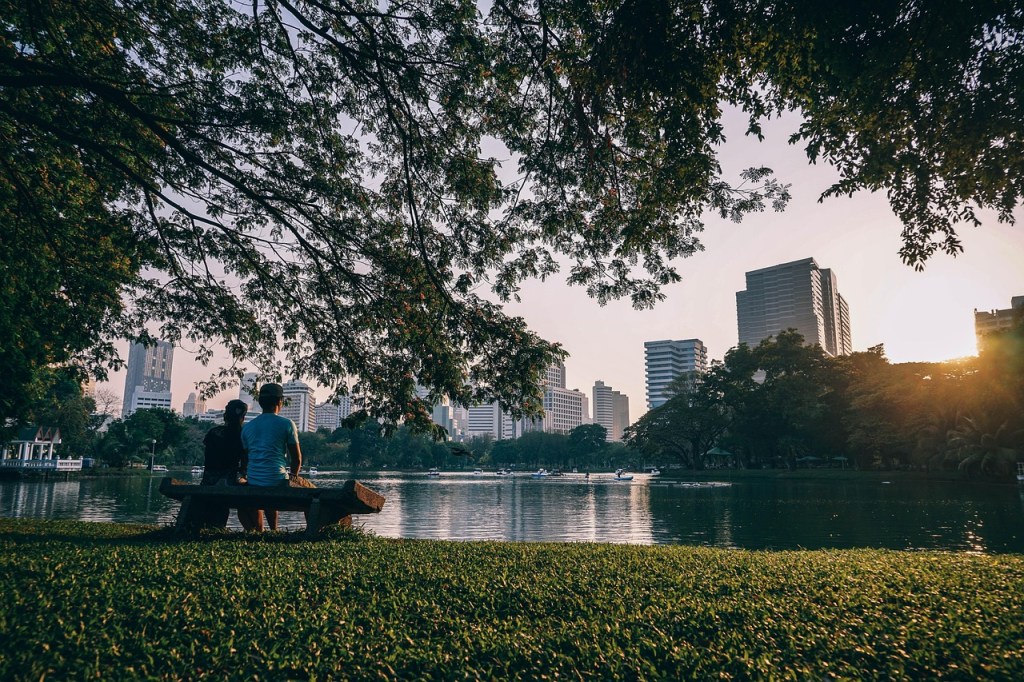
For a more local feel, smaller neighbourhood green spaces can be found along side streets (soi) branching off Sukhumvit Road. Soi 49, 31 and 39, for example, hide residential lanes with pocket gardens, small temple grounds and leafy cafés with garden seating. These are not formal parks, but they offer a quieter, greener atmosphere. Wandering these sois can be a pleasant way to discover local life, but sidewalks can be narrow, so comfortable shoes and patience with traffic are helpful.

If you are looking for a more active visit, many of these green spaces have basic outdoor gyms, children’s playgrounds and open areas for yoga or tai chi. Benjakitti’s cycling track is popular with both locals and visitors, and bike rental is sometimes available near the park entrances. Benchasiri’s skate area attracts younger crowds, while open lawns host occasional festivals and events, especially on national holidays and weekends. Checking local event listings can reveal temporary markets or cultural performances in these parks.

Visitors often ask: Where are the best parks near Sukhumvit? Benchasiri Park (near BTS Phrom Phong) and Benjakitti Park/Forest Park (near BTS Asok/MRT Queen Sirikit) are the main options. Are they free to enter? Yes, entry is free for both. What are the opening hours? Most Bangkok parks open around 5:00–6:00 and close around 21:00, though hours can vary slightly. Is it safe? These parks are generally safe during opening hours, especially in the early morning and late afternoon when they are busiest. What should I wear? Light, breathable clothing, comfortable shoes and insect repellent are recommended.

Timing your visit can make a big difference to your experience of Sukhumvit’s green spaces. Early mornings offer cooler temperatures and a chance to see local routines, while late afternoons provide softer light and a relaxed atmosphere after the workday. Whether you are staying nearby or just passing through, setting aside an hour to explore these hidden parks can give you a calmer, more balanced impression of this energetic part of Bangkok.


Unveiling the Best Places to Shop for Clothes in Bangkok

Bangkok, the vibrant capital city of Thailand, is not only famous for its historic landmarks and bustling street life but also for its shopping scene. This city, steeped in history and culture, offers a myriad of shopping options that cater to every style and budget. This piece will guide you through the best places to buy clothes in Bangkok, from high-end malls to bustling street markets.

One of the most popular shopping destinations in Bangkok is the Chatuchak Weekend Market. Established in 1942, this market has grown to become one of the largest markets in the world, with over 15,000 stalls spread across 27 sections. Here, you can find a variety of clothing options, from Thai traditional wear to trendy street fashion, all at an affordable price.

Another must-visit spot is the Platinum Fashion Mall, located in the Pratunam area. Opened in 2002, this six-story shopping complex specializes in wholesale fashion clothing and accessories, making it a favorite among locals and tourists alike.

For those seeking high-end fashion, CentralWorld is the place to be. Opened in 1990 and renovated in 2006, it is the sixth largest shopping complex in the world. Here, you will find a wide array of international luxury brands, from Prada to Gucci.

A trip to Bangkok would not be complete without visiting MBK Center. Known for its wide variety of goods, including clothes, this mall is a favorite among bargain hunters. Opened in 1985, it is one of the oldest shopping malls in Bangkok and offers a unique shopping experience.

While these are some of the most popular places to buy clothes in Bangkok, the city is teeming with countless other shopping destinations. Whether you’re looking for luxury brands, affordable fashion, or unique vintage finds, Bangkok’s shopping scene has something for everyone.

So, next time you’re in Bangkok, don’t forget to explore these shopping hotspots. Not only will you get to buy fantastic clothes, but you’ll also get to experience the city’s rich history and vibrant culture. Happy shopping!

The Link Between Sinusitis and Skin Problems”

The world of medicine is ever-evolving, and it is not uncommon to discover unexpected connections between seemingly unrelated health conditions. One such connection that has piqued the interest of medical professionals and patients alike is the potential link between sinusitis and skin problems. While sinusitis primarily affects the nasal passages, its influence can extend to other parts of the body, including the skin. As a qualified dermatologist, I’d like to shed light on this intriguing subject.

Sinusitis, a condition characterized by inflammation or swelling of the tissue lining the sinuses, is a common aility that affects millions of people worldwide. Typically, sinusitis manifests through symptoms like nasal congestion, facial pain, and a reduced sense of smell. However, recent studies suggest that this condition might also have an impact on the skin.

The skin, our body’s largest organ, often reflects our overall health. It is our first line of defense against harmful environmental factors and is intricately connected with our immune system. When our body is battling a condition such as sinusitis, it can manifest itself through various skin issues, including acne, rosacea, or eczema. This is not to say that sinusitis directly causes these skin problems, but rather that it can exacerbate existing conditions or make the skin more susceptible to them.

So, how does this happen? It’s all about inflammation. Inflammation is a common thread between sinusitis and many skin conditions. When the sinuses are inflamed, it can trigger an inflammatory response throughout the body. This heightened state of inflammation can lead to flare-ups in existing skin conditions or create a conducive environment for new issues to arise.

Understanding this connection between sinusitis and skin problems is a significant step towards holistic health management. It underlines the importance of treating sinusitis not just to alleviate nasal discomfort but also to potentially help improve skin health.

If you’re struggling with sinusitis and have noticed a deterioration in your skin condition, it might be worth discussing this with your healthcare provider. Remember, every person’s body is different, and the way conditions interact can vary from person to person. But rest assured, with appropriate management and care, both your sinusitis and skin problems can be effectively treated, leading to an improved quality of life.

In the world of health and wellness, knowledge truly is power. Understanding the potential link between sinusitis and skin problems can empower you to take proactive steps towards better health.

Bangkok Wax Museum

In the heart of Thailand’s capital city, Bangkok, lies a unique attraction that is sure to captivate visitors of all ages – the Bangkok Wax Museum. An intriguing blend of art, culture, and history, the museum offers an immersive experience for those keen to explore the world of lifelike wax figures. From world leaders to famous celebrities, the Bangkok Wax Museum is a treasure trove of waxen wonders, perfect for those seeking a fun and educational day out.

The Bangkok Wax Museum was founded in the early 20th century, the museum boasts an extensive collection of wax figures, each painstakingly crafted to resemble their real-life counterparts. Visitors can rub shoulders with world-famous celebrities, influential leaders, and iconic figures from history. Besides the awe-inspiring craftsmanship, the museum also offers interactive displays, making it an engaging experience for children. The Bangkok Wax Museum is not just a place to see; it’s a place to experience – to step into the shoes of the famous and the infamous, and to learn about their lives and achievements.

Getting to the Bangkok Wax Museum is a breeze, given its central location. It’s easily accessible by public transportation, including bus, BTS Skytrain (Victory Monument station), and taxi. The museum is open daily from 10 am to 8 pm, giving you ample time to explore its fascinating exhibits.

FAQs:

  1. What are the opening hours of the Bangkok Wax Museum?
  • The museum is open daily from 10 am to 8 pm.
  1. How can I reach the Bangkok Wax Museum?
  • The museum is accessible by bus, BTS Skytrain (Victory Monument station), and taxi.
  1. Are there any interactive exhibits in the museum?
  • Yes, the museum offers interactive displays for a more engaging experience.
  1. What can I expect to see in the Bangkok Wax Museum?
  • The museum houses an extensive collection of wax figures, including celebrities, world leaders, and historical icons.
  1. Is the Bangkok Wax Museum suitable for children?
  • Yes, the museum is a family-friendly attraction that offers educational and fun experiences for children.

Start a memorable journey of discovery and experience the magic of the Bangkok Wax Museum. It’s an adventure that promises to be as enlightening as it is entertaining. Don’t miss out on this unique Bangkok attraction!

How to keep your eyes healthy

When it comes to our senses, our vision is often the one we rely on the most. It is through our eyes that we perceive the world around us, making it vital to prioritize the health of our eyes. However, the importance of maintaining good eye health often goes overlooked. Many of us take our eyesight for granted, assuming that it will always be there. But as we age, our eyes are susceptible to a range of conditions that can impair our sight or even lead to blindness. That’s why the topic of ‘How to keep your eyes healthy’ is not just an interesting read, but a necessary one. By understanding the steps to maintain good eye health, we can ensure the longevity of our vision and continue to experience the world in all its visual splendor.

Eye health is a complex subject. It involves understanding the causes of various eye conditions, the risks of not treating these conditions, and the importance of regular check-ups with an eye care professional. Just like our skin, our eyes can also be affected by both internal and external factors. Poor nutrition, excessive screen time, lack of sleep, and exposure to harmful UV rays are just a few of the elements that can negatively impact our eyes’ health. When these factors are ignored, we risk developing conditions like cataracts, glaucoma, macular degeneration, and even blindness. The consequences of not treating these conditions can be severe, leading to a significant decrease in quality of life.

Just as you would contact a dermatologist to learn more about the health of your skin, it is equally crucial to consult with an ophthalmologist or optometrist to understand more about your eye health. These professionals can provide preventative measures, early detection, and treatment options for various eye conditions. They can also provide personalized advice on how to keep your eyes healthy based on your lifestyle, age, and medical history. Remember, your eyes are your windows to the world. Keep them clear and healthy, and they will reward you with a lifetime of vivid and colorful experiences.

Can a Dermatologist Help with Hair Loss? Regain Your Confidence with Effective Treatment

Hair loss can be a distressing condition that affects millions of people worldwide. Whether it’s thinning hair, receding hairline, or bald patches, the emotional impact can be significant. If you’re experiencing hair loss, it’s natural to feel self-conscious and even lose confidence in your appearance. However, the good news is that a dermatologist can indeed help with hair loss. In this article, we’ll explore how a dermatologist can provide effective treatments to address this common concern.

Understanding Hair Loss:
Hair loss can occur due to various factors, including genetics, hormonal imbalances, medical conditions, stress, and certain medications. It’s important to consult a dermatologist to determine the underlying cause of your hair loss, as this will guide the most appropriate treatment plan.

The Role of a Dermatologist:
Dermatologists are medical experts who specialize in diagnosing and treating conditions that affect the skin, hair, and nails. When it comes to hair loss, they possess the knowledge and expertise to identify the root cause and develop tailored treatment strategies.

Diagnostic Evaluation:
During your consultation with a dermatologist, they will conduct a thorough examination of your scalp and hair. They may also ask about your medical history, lifestyle, and any recent changes or stressors that could contribute to hair loss. In some cases, additional tests, such as blood work or a scalp biopsy, may be recommended to determine the exact cause.

Effective Treatment Options:
Once the cause of your hair loss is established, your dermatologist will recommend the most suitable treatment options. These may include:

  1. Medications: Dermatologists can prescribe medications such as minoxidil and finasteride, which have been proven to promote hair growth and prevent further loss.
  2. Platelet-Rich Plasma (PRP) Therapy: This innovative treatment involves injecting your own platelet-rich plasma into the scalp, stimulating hair growth and improving hair density.
  3. Hair Transplantation: For more advanced cases, hair transplantation can be an effective solution. Dermatologists can perform procedures like follicular unit transplantation (FUT) or follicular unit extraction (FUE) to restore natural-looking hair.
  4. Lifestyle Modifications: Your dermatologist may also provide guidance on lifestyle changes that can support healthy hair growth, such as a balanced diet, stress management techniques, and proper hair care practices.

The Importance of Seeking Treatment:
Delaying or avoiding treatment for hair loss can have detrimental effects on your self-esteem and overall well-being. Without intervention, hair loss can progress, leading to permanent baldness in some cases. By seeking help from a dermatologist, you can take proactive steps to address the issue and regain your confidence.

If you’re struggling with hair loss, don’t suffer in silence. A dermatologist can be your ally in restoring your hair and boosting your self-esteem. With their expertise and a range of effective treatment options available, you can take control of your hair loss and embrace a fuller, healthier head of hair. Don’t let hair loss define you – consult a dermatologist today and start your journey towards regaining your confidence.

Is Thai food healthy?

Thai cuisine is renowned for its vibrant flavors and aromatic spices. It is a delightful fusion of sweet, sour, salty, and spicy tastes, making it a favorite among food enthusiasts. While Thai food can be indulgent, it also offers plenty of healthy options. Traditional Thai dishes often incorporate fresh ingredients like herbs, vegetables, and lean proteins, which contribute to a balanced diet.

Thai cuisine has a rich history that dates back centuries. Influenced by neighboring countries like China and India, Thai food has evolved into a unique culinary experience. The use of exotic ingredients and traditional cooking techniques make Thai dishes not only delicious but also culturally significant.

When visiting Thailand or Thai restaurants, you can easily find healthy options on the menu. Look for dishes that feature steamed or grilled proteins, such as fish or chicken, paired with fresh vegetables and herbs. Thai salads, like Som Tum (green papaya salad), are also a great choice. Be mindful of portion sizes and opt for brown rice instead of white rice for added nutritional value.

FAQs about Thai food:

  1. Is Thai food spicy?
    Yes, Thai food can be spicy, but you can always request milder versions of dishes.
  2. Are there vegetarian options in Thai cuisine?
    Absolutely! Thai cuisine offers a wide range of vegetarian and vegan dishes.
  3. Can I find gluten-free options in Thai restaurants?
    Yes, many Thai dishes can be made gluten-free. Just inform the restaurant staff about your dietary restrictions.
  4. What are some popular Thai desserts?
    Mango sticky rice, Thai coconut ice cream, and banana fritters are among the popular Thai desserts.
  5. Is street food safe to eat in Thailand?
    While street food is a beloved part of Thai culture, it’s recommended to choose vendors with clean and hygienic practices.

If you’re interested in exploring the flavors of Thai cuisine and experiencing the vibrant food culture, we encourage you to try Thai restaurants or plan a trip to Thailand. Discover the healthy and delicious world of Thai food, and immerse yourself in the country’s rich culinary heritage.

Can a Dermatologist Help with Hair Loss 

Are you experiencing hair loss and feeling self-conscious about it? Did you know that a dermatologist can help? Hair loss affects millions of people worldwide, and it can be caused by a variety of factors. If you’re one of those people who are struggling with hair loss, it’s time to take action and seek professional help. 

Hair loss can be caused by genetics, hormonal changes, stress, medication, and even certain hairstyles. Unfortunately, many people still believe that hair loss is solely caused by poor hygiene or wearing a hat too often. These misconceptions can lead to feelings of shame and embarrassment, making it harder for people to seek help. It’s time to break the stigma and understand the real causes of hair loss. 

It’s understandable to feel scared and uncertain about hair loss. It can affect your confidence and self-esteem, leading to anxiety and depression. However, it’s important to know that there are solutions available. Dermatologists can help diagnose the cause of your hair loss and provide treatment options that work for you. Don’t let fear hold you back from seeking help. 

There are many popular ways to treat hair loss, ranging from medication to hair transplants. However, it’s important to find the right treatment for your specific needs. Consulting with a dermatologist can help you determine the best course of action and provide you with the support you need. 

If you’re experiencing hair loss, don’t wait any longer to seek help. Eudelo is a dermatology clinic with fully qualified practitioners who can help you address your hair loss concerns

Jodd Fairs Bangkok

Jodd Fairs Night Market, located in the Rama 9 district of Central Bangkok, is regarded as one of the best night markets in the city. The market is essentially a one-stop shopping destination because it has over 700 stalls offering everything from food and drinks to clothes. In addition to being a wonderful place to get a bite and a few drinks while in Bangkok, the market is also well-situated close to various public transport options. 

Things to Do at Jodd Fairs Night Market

Food Sampling

The market is home to hundreds of vendors selling everything from local specialities to foreign fare. Therefore, you can find anything from skewered meat to Thai curries, Korean delicacies, and beyond.

Enjoy Drinks

Having a drink or two at the Jodd Fairs Night Market is a fantastic way to round up your shopping experience. There are numerous stands offering alcoholic beverages, including a large selection of beers, ciders, and other alcoholic beverages from across the world.

Clothes Shopping

In addition to the many stores selling food and beverages, the market has several stores selling apparel, jewellery, and electronics. The night market has a lot to offer, including haircuts at some of the stalls.

Times When Jodd Fairs Night Market is Open

The Jodd Fairs Night Market opens daily from 4 PM to 12 Midnight. While the market officially opens at 4 PM, it is best that you arrive after it has already begun to bustle with activity.

Ways to Remove Skin Tags

Skin tags are small, soft growths on the skin. They are usually skin-coloured but can vary in colour . They also vary in size of a few millimetres but can grow up to several centimetres. They are often mistaken as warts.

What Are Skintags?

Also known as acrochordons, skintags are non-cancerous growths that do not usually cause pain or discomfort. Tags can occur anywhere on the body but are mostly found on the neck (particularly in the groove along the shoulder), armpits, groin and under the breasts. They’re also common on the eyelids and under the folds of the buttocks. Tags can affect both men and women and usually occur after midlife.

They are easily distinguishable from warts because where warts are rough with an irregular surface, tags are soft and smooth. Warts are also flat or slightly raised while tags are knobbly and hang off the skin. Lastly, warts are contagious and spread very easily. A cluster of warts can develop quickly.

So if skintags are benign, should they be removed?

How to Remove Skintags?

Usually, it is aesthetic concern that means people wish to have tags removed. There are proprietary solutions available over the counter but they aren’t always the most effective. It is much better to see a professional dermatologist who will decide the best method of removal which might be to cut, burn or freeze them off. The decision will be based on the size of the tag and the width of the peduncle (stalk) connecting it to the skin.