
What Makes Songkran an Important Thai Holiday?
Songkran is a famous holiday in Bangkok; it is celebrated from the 13th to April 15th to mark the start of the Buddhist new year. This festival is renowned for its water festival, which involves lots of water splashing. So what makes Songkran special?
It’s a major Buddhist Thai holiday – Songkran’s origin relates to Buddhism
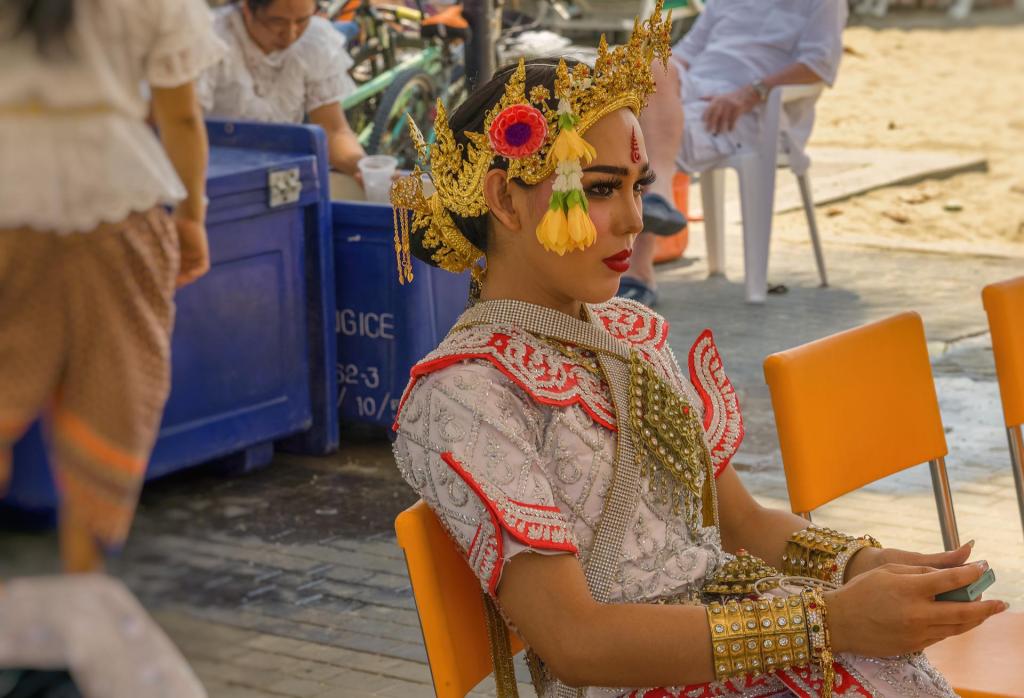
Thai people mark this special event by visiting the temple to offer food and clothing to the monks. They listen to their preaching, pray, and partake in rituals that bring good luck.
Songkran is for families – Families gather to enjoy festive meals
It’s a time to reunite with loved ones as many people make their way to their native hometowns. Families enjoy quality time by participating in fun activities such as dancing, parades, folk entertainment, and sharing festive meals.
Songkran is a time to show respect – families show respect to elders and ancestors
Families pay homage to their ancestors and embrace holiday traditions. During this time, children show respect to their elders by washing their palms and feet using scented water. Afterward, the elders appreciate their kind gesture by blessing them.
Songkran allows people to tidy – Thais cleanse themselves mentally and physically
The festivity is all about cleansing, spiritual and physical. The spiritual bit involves getting rid of bad deeds and thoughts and making new year resolutions, while physical cleansing involves lots of tidings and getting rid of items that bring bad luck. During this time, Thai people thoroughly clean their homes and public areas like schools, temples, and parks. Here is a site with more details about Songkran: https://www.tasteofthailand.org/songkran-the-value-behind-thai-new-year-and-water-festival/
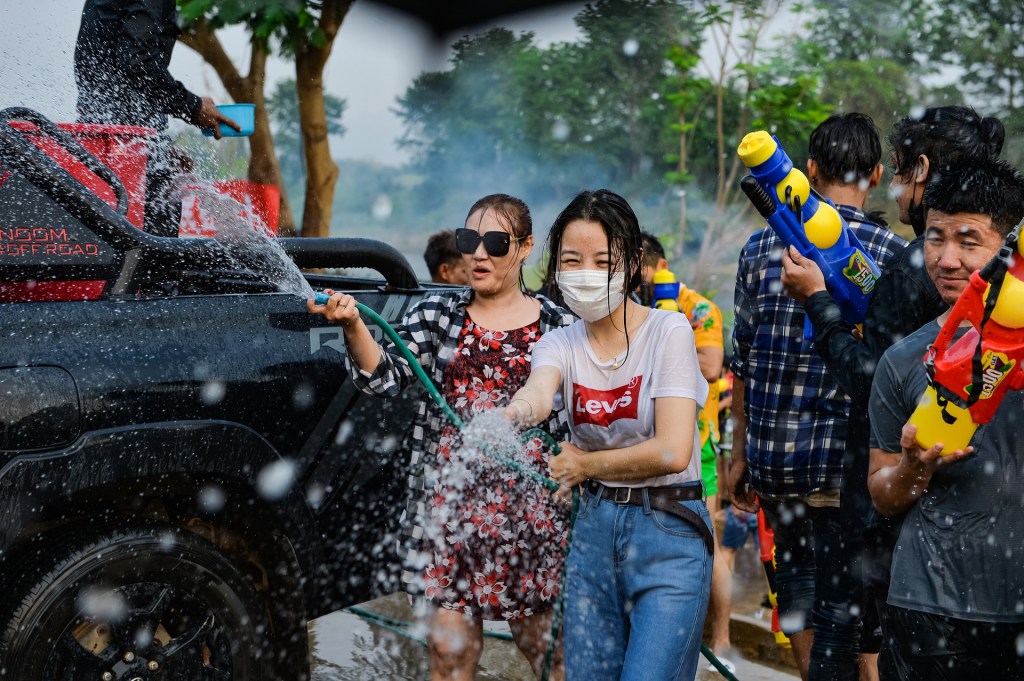
Songkran is a special Thai holiday that takes place in the streets, where people collect water in all manner of vessels in readiness for a massive water fight. Water is a vital element during the celebration, which is meant to cleanse one from any misfortunes they may have encountered in the previous year.
 mytravelco.org